
Good-bye Greenpeace
Why I am stopping my monthly donations and where they will go instead

I’m not sure what my first independent thought was, but I know my dad’s. He was watching smoke billow from the tops of towering industrial chimneys into the sky and he suddenly wondered where it all went. He was around six years old, so it would have been the late 1950s, and the term “global warming” was not in the common psyche.
By the time I was at school in the 80s and 90s, it was all anyone talked about. The biggest threat to our future. We were told that by the time we were grown, the world would be too hot to occupy. Wars would wage over dwindling resources. We’d be climate refugees.
Some of my friends didn’t have kids based on this fear.
Even after they changed the terminology from “global warming” to “climate change”, we were all convinced that the modern, industrial lifestyle was not compatible with a liveable planet. We needed to focus all of our energy on addressing this problem. Fighting the fossil fuel giants who were literally stealing our future.
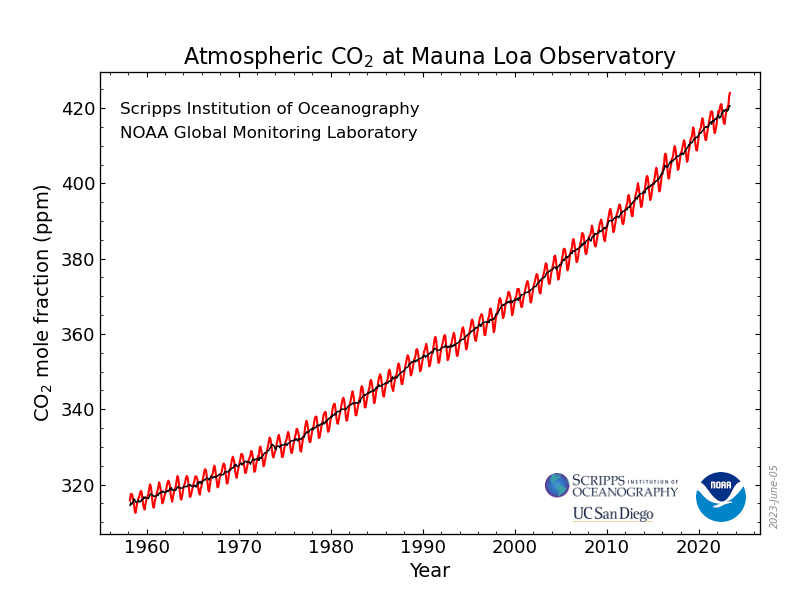
It was the battle of our lives, and it still rages on. A good proportion of people of my generation have dedicated themselves to fighting climate change and yet emissions continue to rise. Atmospheric CO2 levels are higher than any time since the evolution of homo sapiens as the Earth’s dominant species.
So far, we haven’t seen any “tipping points” like the melting of the Greenland ice sheet causing a sudden dramatic rise in sea level temperatures, or changes to the Atlantic Meridional Overturning Circulation (AMOC) causing large parts of the Northern Hemisphere to freeze over.
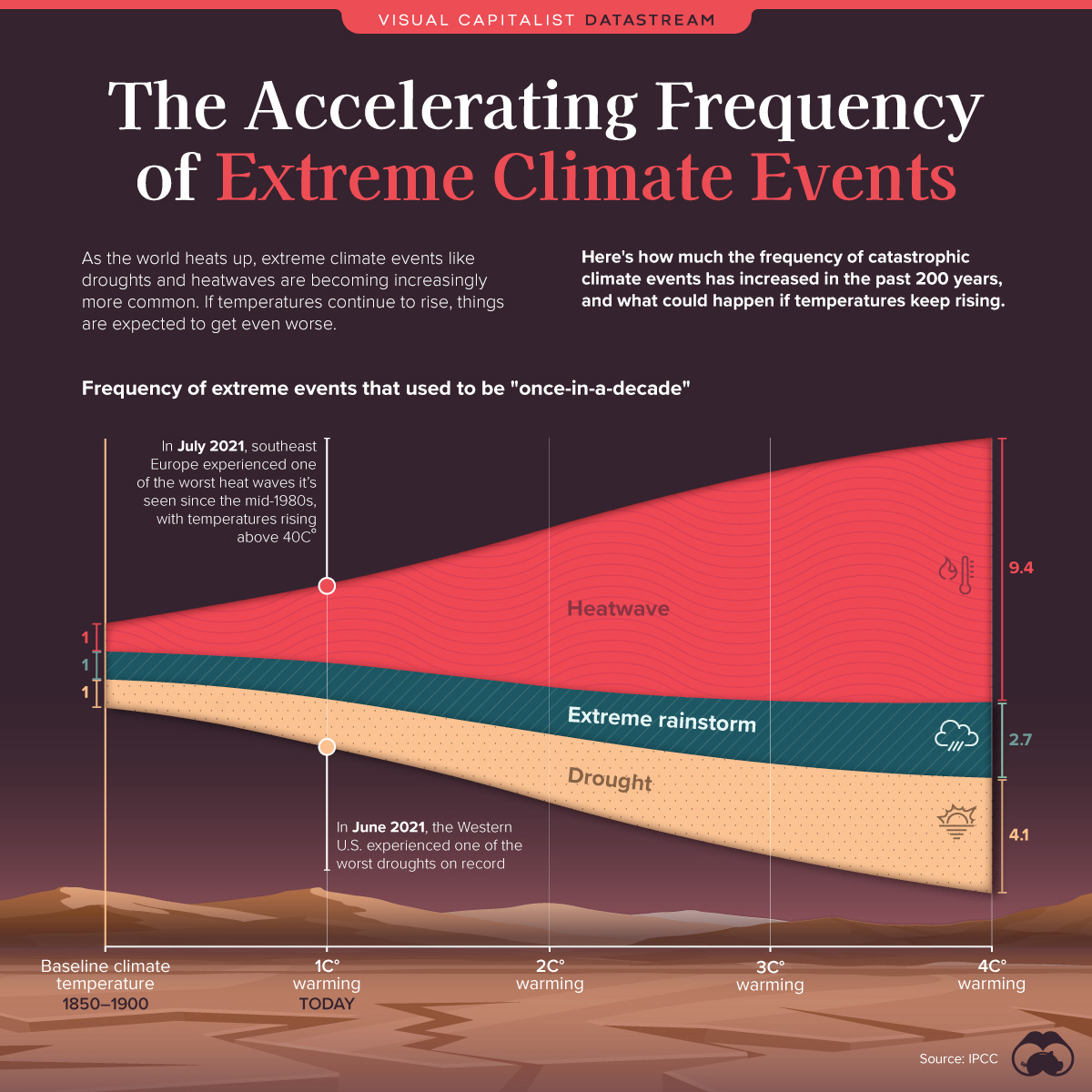
What we have seen is an increased number and intensity of extreme events like fires, floods, and massive storms.
I care deeply about maintaining a healthy balance on Earth so that life, and humanity in particular, can thrive and flourish for millions of years into the future. If we are snuffed out by our own industrialisation in the equivalent of a blink of an eye compared to the 165 million years the dinosaurs inhabited the Earth, I think it would be a huge indictment on intelligence as an evolutionary advantage.
But I’ve always been unsure about what to do about it. At this point, I follow sustainability champion Hannah Ritchie’s advice and don’t eat red meat, drive an electric car, ride or walk when I can, and offset my home electricity bills (I rent, or I would probably have solar).
I use my very tiny voice to speak (or rather sing) about the issue.
And I donate.
My main recurring donation for the past few years has been to Greenpeace. It’s a no-brainer, right? It’s in the name: they’re green and they want peace.
Except maybe not so much.
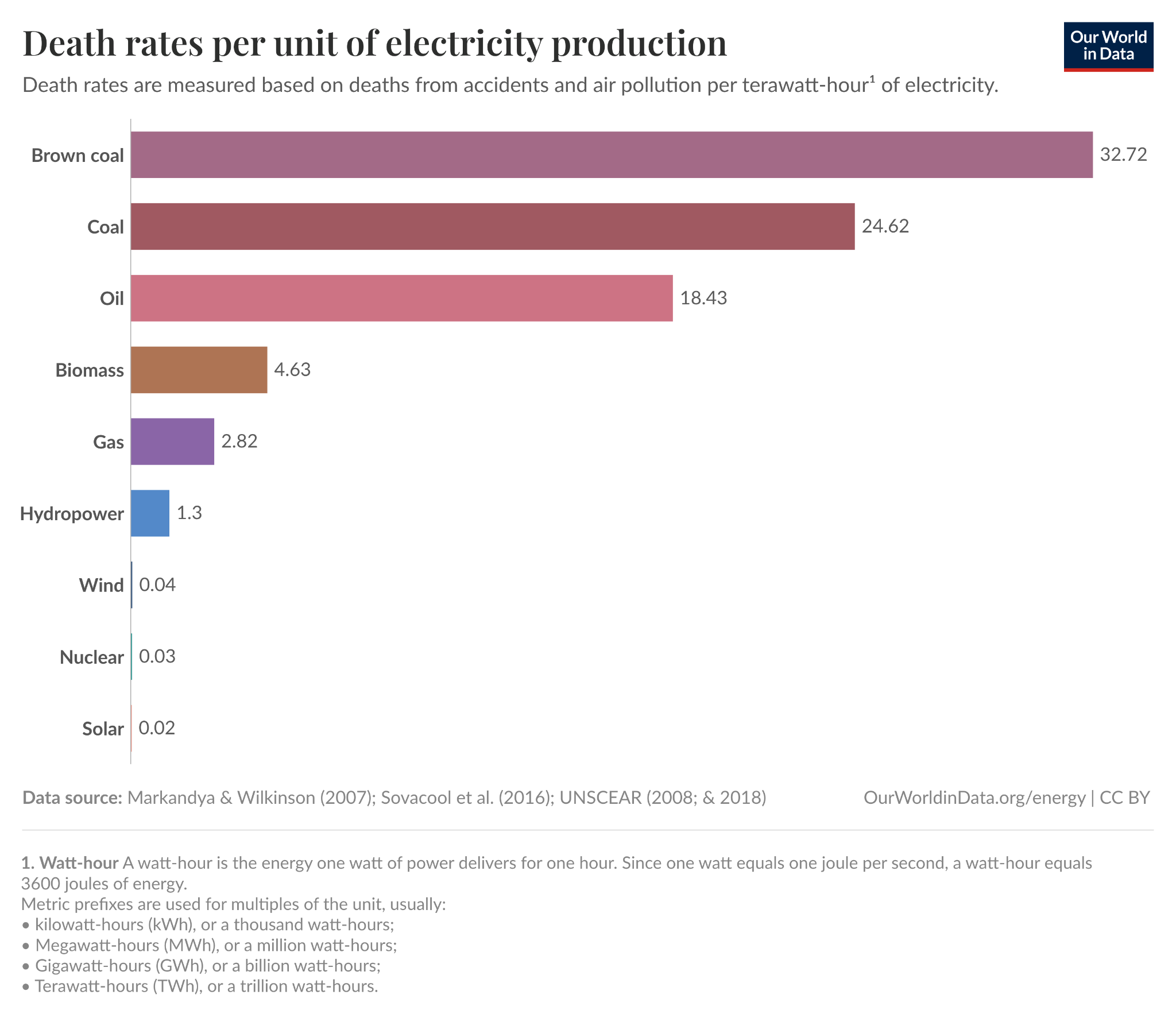
If our main issue is living on a planet that’s warming at an unprecedented rate, we should focus on cleaning up the air as a first priority. What is the best form of energy that delivers high, reliable yields with low emissions? Nuclear.
Greenpeace’s stance on nuclear? It’s a no.
Because of Chernobyl and Fukushima. Even though this:
Greenpeace wants to focus entirely on solar, wind, and other renewables. These are certainly part of the solution and the technology is improving all the time.
But we’re moving too slowly.
And there’s no way it’s not us.
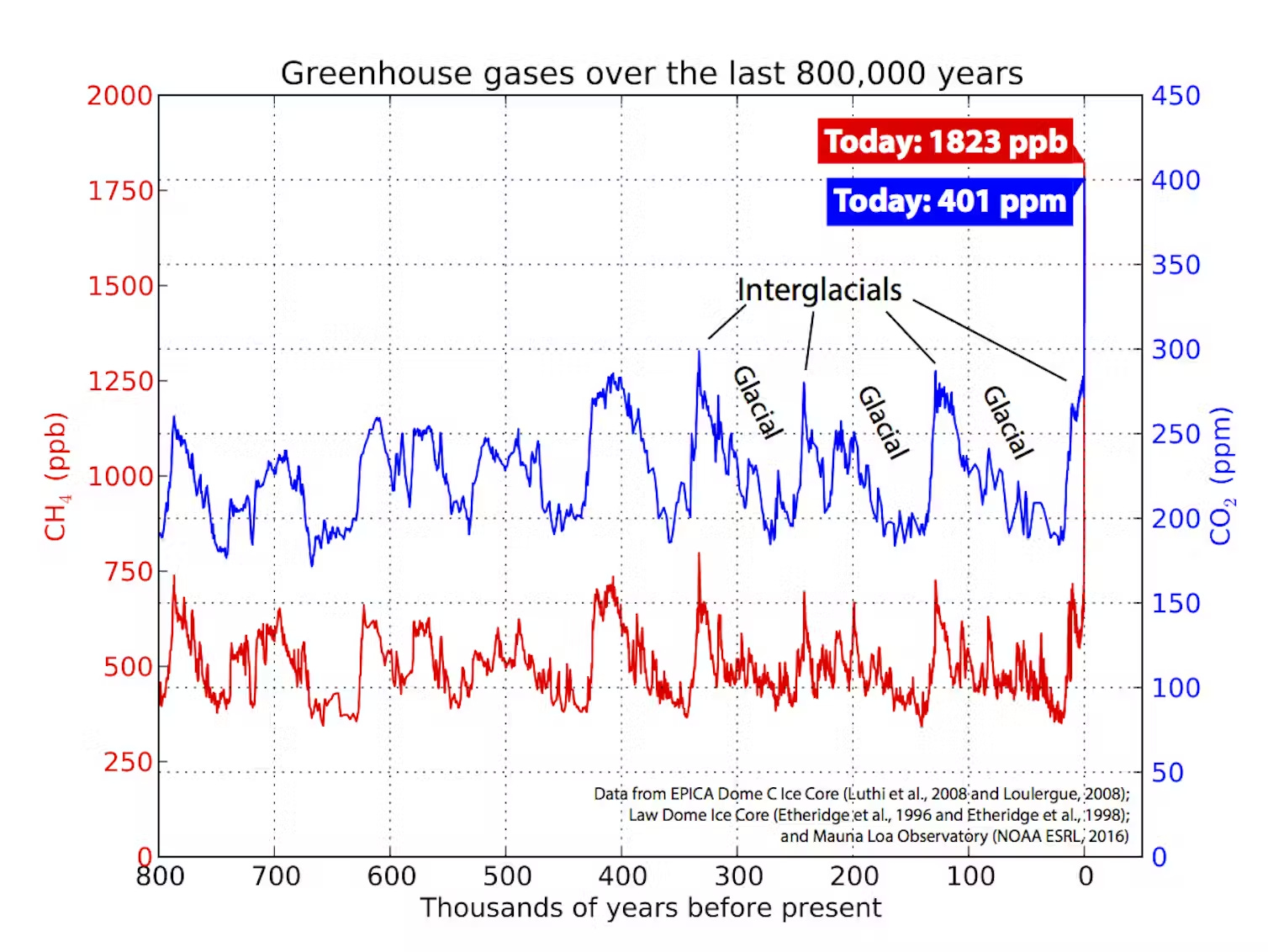
We need to get control of this thing so we can think while we build our clean infrastructure. Luckily, we’re great scientists and engineers and we know what we’ve done and we know how to change it.
In the long term, by changing our energy usage from polluting fossil fuels to non-polluting renewables.
In the short term, by geoengineering. Reflecting sunlight back into space so it’s not all entering the atmosphere and slowly cooking us.
Scientists right now are…..thinking very hard about it.
That’s it.
Sometimes they go out and prepare to do a test. And then people say “Hey! What are you doing there?” So they stop.
Volcanoes sometimes do it for us very effectively.
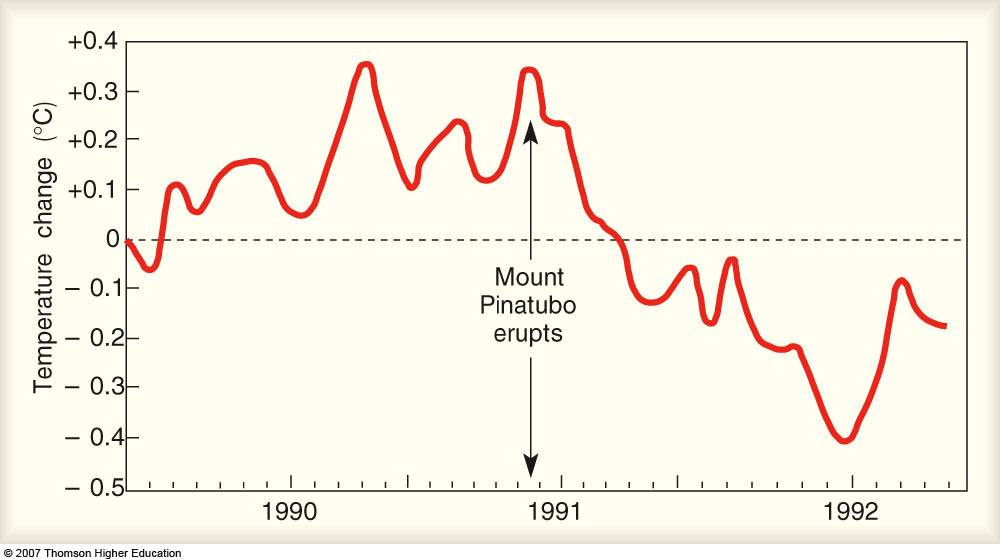
Mount Pinatubo reduced hemispheric temperatures by a few points of a degree but it only lasted a couple of years, since SO2 (the main thing doing the cooling) is short-lived in the stratosphere (remember that detail).
What is Greenpeace’s stance on geoengineering?
What do you think? (It’s a no.)
So, despite the amazing work they are doing in protecting oceans and promoting an energy transition that we need, they don’t represent my convictions when it comes to solving the most pressing problem.
More than that, they actively campaign against them. The very solutions that could help move us in the direction we need to go.
Unbelievable.
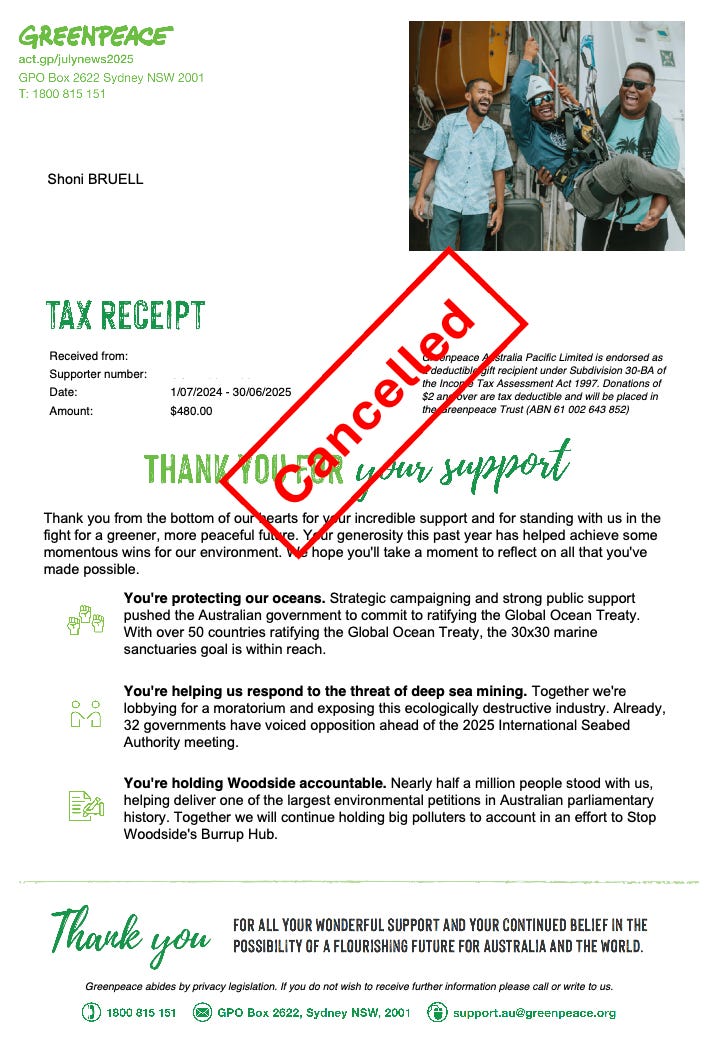
Today, I wrote to them to cancel my subscription.
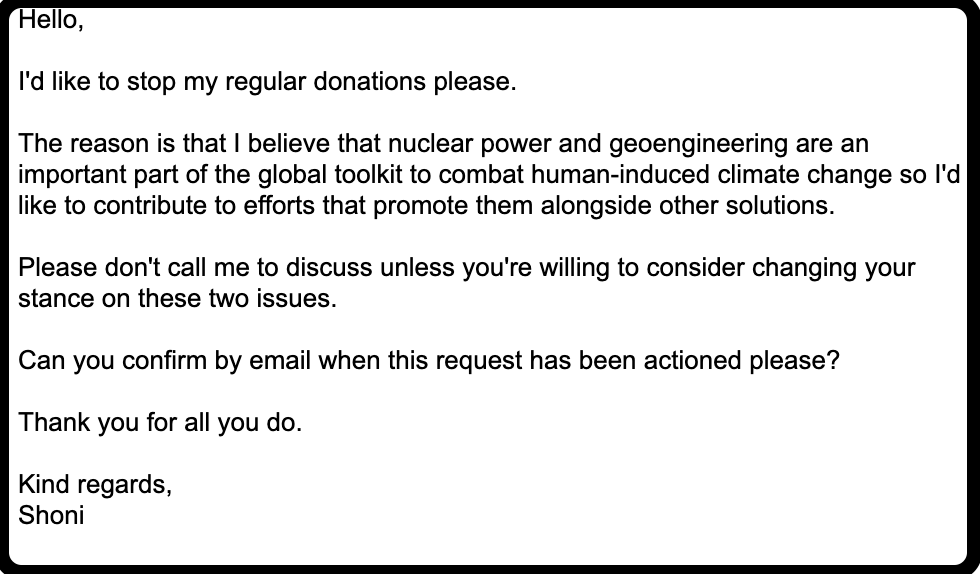
Where should I put that money?
Maybe somewhere like SilverLining, who are deeply researching the problem and all possible solutions?
Or maybe Carbon180, focused on drawing down carbon from the atmosphere?
Or an Australian company so that my donation can remain tax deductible?
ChatGPT suggested Beyond Zero Emissions or the Climate Lens Fund.
But if I really want to contribute to cooling the climate today, I could give to a company that is actually….wait for it…..cooling the climate.
Make Sunsets is imitating volcanoes at a tiny scale (for now) by filling balloons with SO2 and sending them into the stratosphere to explode.
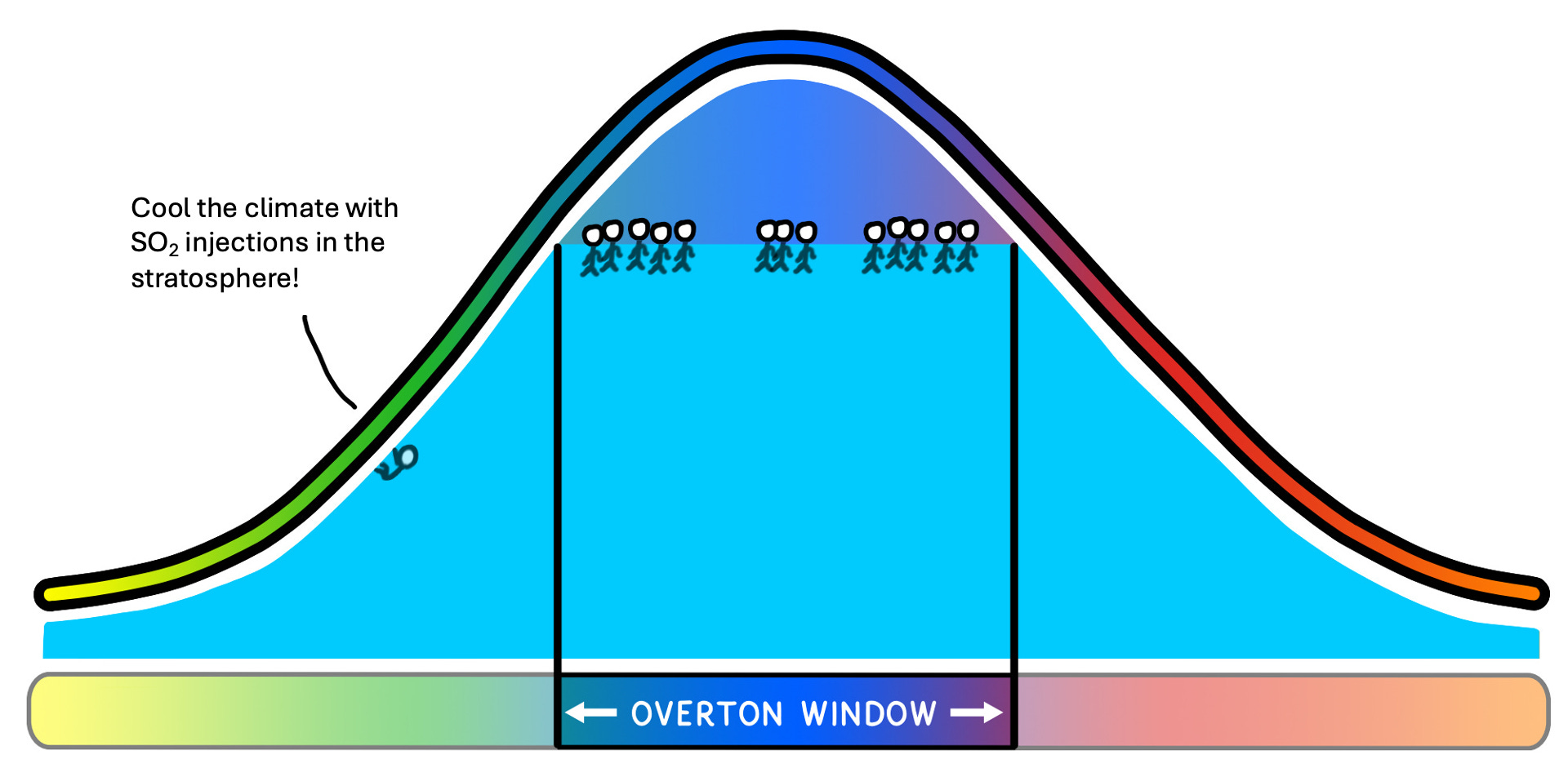
Given that the Overton window (politically acceptability) on this topic still sits in the “this technology is too risky” camp, maybe I’ll make a bigger stand with my $30/month (or $50—I also give regularly to the Australian Conservation Foundation (ACF), who, like Greenpeace, are anti-nuclear and anti-geoengineering) by putting it all into a small start-up that is actually doing the thing, rather than spreading my money around a bunch of lobbies and think tanks.
The amounts I’m able to donate are effectively meaningless to all of the organisations mentioned here except one.
Make Sunsets are fighting an uphill battle when most of the press they get is resoundingly negative. They’re called upstarts, cowboys, tech-bros who are moving fast and breaking things.
Even when the arguments against them are as insane as this from the Washington Post:
…they worry that if a company’s main source of revenue is geoengineering, it will have a strong profit motive to cool the planet...
Having a profit motive to cool the planet is bad?
Isn’t profit the main reason that renewables have become competitive in the past few years? In case you haven’t noticed, the economics have shifted and we’re seeing this:
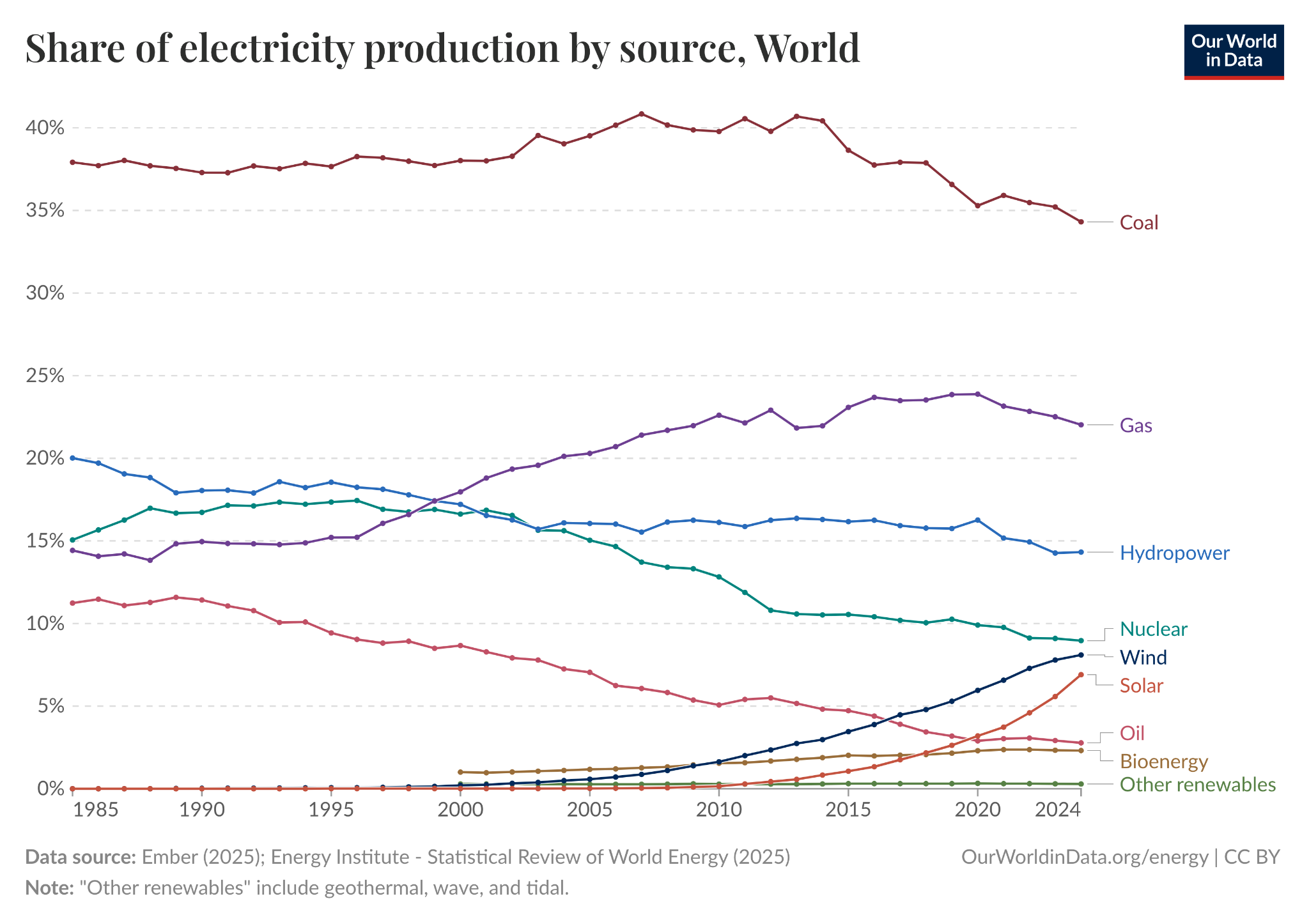
I promise you, this shift is not only due to Greenpeace lobbying, it is mostly down to improvements in technology, which are driven by profit.
Thinking about going too far with geoengineering is so premature, it’s ridiculous. And don’t forget that the SO2 doesn’t last longer than a year or two in the stratosphere so if it does go too far, we just stop the injections, or add some more CO2, which shouldn’t be a problem.
Having a thermostat for the Earth is not a wildly dangerous idea.
The science behind SO2 injections has been explained pretty thoroughly here. Overshoot or termination shock may be genuine worries, but they are dwarfed beyond comparison by the worries of hitting one of the tipping points we’re heading towards if we stay on our current trajectory.
If the ice covering Antarctica suddenly melts, large parts of coastline could rapidly be submerged, upending global order and leading to massive instability.
My $30 isn’t going to change that, I realise, but I feel better knowing I’m pushing in the right direction with the resources I have.
So in summary:
Greenpeace and the ACF are actively opposed to two of the main tools we have to combat climate change and keep temperatures stable for future generations.
I can stop donating to them but feel compelled to give some money to contribute to this issue which has defined my generation and those that have followed.
The money isn’t much in the scheme of things, but it represents my values, which lean towards solutions as well as research and lobbying.
A donation to Make Sunsets is not tax-deductible but goes directly towards a solution that makes sense, is proven by billions of years of volcanic activity, and is happening now.
Writing this article has given me an opportunity to order my thoughts. Who knows? Sharing it with you may help shift the Overton window on solar geoengineering.

Here’s the referral if you want to join me.
What do you think? Am I missing something important or overthinking this?
I agree with you 100% about nuclear. It frustrates me no end when people are so anti nuclear. We have a technology which is proven and well understood which we can use to address how much CO2 we are putting into the atmosphere. It also provides good base load generation which renewables such as wind and solar struggle to do at scale.
I have to say I haven’t looked much into engineering the climate so do really have an opinion on this - other than it’s probably worth more research.
Shoni, your scientific rigour is so impressive! Thanks so much for sharing your research and sensible conclusions.